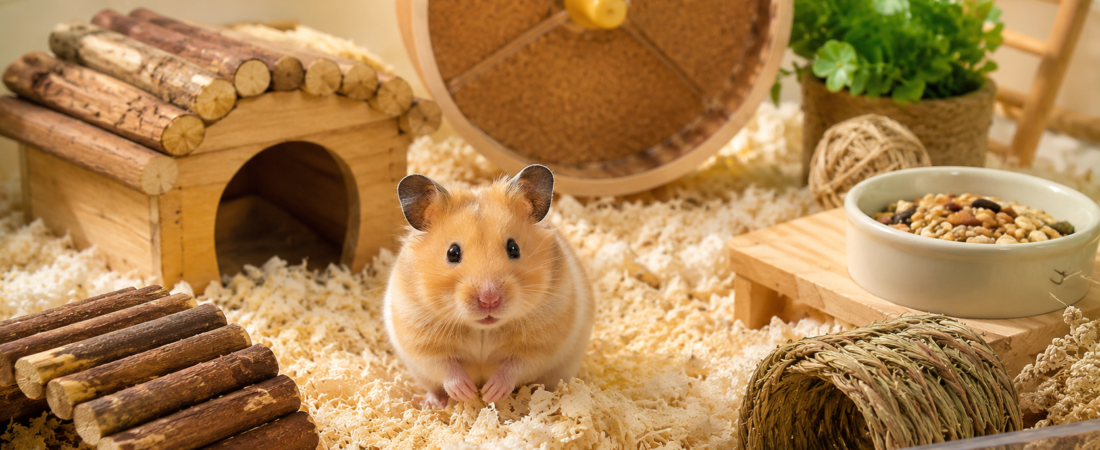
A clean home is important for your hamster’s health and comfort, but that does not mean you need to completely clean the cage every day.
In fact, removing all of your hamster’s bedding and familiar smells too often can sometimes cause unnecessary stress.
The best approach is usually a combination of regular spot cleaning and occasional deeper cleaning.
How Often Should You Clean a Hamster Cage?
There is no single schedule that works for every hamster.
How often the enclosure needs cleaning depends on its size, the amount of bedding, where your hamster uses the bathroom and how quickly food or waste builds up.
As a general routine, check the enclosure every day and remove obviously dirty or wet areas when necessary.
A more thorough cleaning may be needed periodically, but a well-maintained enclosure does not necessarily need to be completely emptied every few days.
The goal is to keep the habitat hygienic while still allowing your hamster to keep some familiar scents.
What Is Spot Cleaning?
Spot cleaning means removing only the dirty parts of the enclosure instead of replacing everything.
Look for:
- Wet or heavily soiled bedding
- Droppings concentrated in one area
- Spoiled fresh food
- Dirty sand
- Food that may have become damp or moldy
Many hamsters choose one particular corner as a toilet area, which can make spot cleaning much easier.
Replacing only the dirty bedding also helps preserve the familiar environment your hamster has created.
Do Hamsters Need a Full Cage Cleaning Every Week?
Not necessarily.
A small enclosure that becomes dirty quickly may require more frequent attention than a large habitat with deep bedding.
Instead of following a rigid calendar, pay attention to the condition of the enclosure.
If there is a noticeable buildup of waste, damp bedding or an unpleasant odor that remains after spot cleaning, it may be time for a more thorough clean.
When doing a deeper cleaning, you do not always need to throw away every piece of clean bedding.
Keeping some clean, familiar bedding and mixing it with fresh bedding can help maintain your hamster’s scent.
Why You Should Not Overclean a Hamster Cage
Hamsters rely heavily on smell to understand their surroundings.
They create nests, food stores and scent-marked areas that help make their environment feel familiar and secure.
If everything suddenly disappears during every cleaning, your hamster may feel the need to rebuild and remark its territory.
This is one reason gentle, targeted cleaning is often better than repeatedly stripping the entire enclosure.
Cleanliness matters, but so does your hamster’s sense of security.
How to Clean a Hamster Cage
Start by placing your hamster somewhere safe and secure if a larger cleaning is necessary.
Remove spoiled food, heavily soiled bedding and dirty nesting material.
Wash dirty accessories or surfaces using warm water and a pet-safe cleaning method. Avoid leaving strong chemical odors or cleaning residues inside the enclosure.
Make sure everything is properly rinsed and dry before your hamster returns.
Add fresh bedding while preserving some clean bedding from the previous setup when appropriate.
Then return familiar items such as hides, tunnels and toys.
Should You Clean a Hamster’s Nest?
A hamster’s nest deserves special care.
If the nesting material is clean and dry, you usually do not need to destroy the entire nest during every cleaning.
However, remove material that is wet, spoiled or contaminated.
Check carefully for hidden fresh food as well.
Hamsters naturally store food, but moist foods can spoil and should not remain hidden in the enclosure for long periods.
Try to disturb the nest as little as reasonably possible while still keeping it hygienic.
What About the Food Bowl and Water Bottle?
Food and water equipment should be checked frequently.
Remove old fresh food before it spoils and keep feeding dishes clean.
The water bottle or bowl should provide clean drinking water and should be inspected regularly for dirt, leaks or blockages.
Fresh water is essential even when the rest of the enclosure does not need cleaning.
How Do I Know the Cage Needs Cleaning?
Your hamster’s enclosure may need extra attention if you notice:
- Strong or unusual odors
- Damp bedding
- Large amounts of waste
- Moldy or spoiled food
- Dirty accessories
- Contaminated nesting areas
A strong smell should not simply be covered with perfumes or scented products.
Instead, find the source and clean the affected area.
Does Cage Size Affect Cleaning Frequency?
Yes.
Larger enclosures with generous amounts of appropriate bedding can often remain cleaner because waste is spread over a larger area.
Small cages may become dirty much more quickly.
That is another reason cleaning schedules should be based on the actual condition of the habitat rather than following an exact number of days.
The enclosure should provide enough space for your hamster to create separate areas for sleeping, storing food and toileting.
Should Hamster Bedding Be Completely Replaced?
Usually, you do not need to replace all clean bedding every time you clean.
Remove bedding that is dirty, wet or unsafe and replace it with fresh material.
When possible, keeping some clean bedding that already carries your hamster’s scent can make the freshly cleaned enclosure feel more familiar.
Of course, if bedding has become contaminated throughout the habitat, a more complete replacement may be necessary.
So, How Often Should You Clean a Hamster Cage?
Think of hamster cage cleaning as an ongoing routine rather than one big weekly job.
Check the enclosure regularly, remove dirty areas as needed and perform a deeper clean when the habitat actually requires it.
The enclosure should be clean and dry without constantly removing everything your hamster recognizes.
A good balance between hygiene and familiarity can help create a comfortable home for your hamster.
Small Pet Health Note
This article provides general educational information and is not a substitute for professional veterinary advice. Hamster care needs can vary depending on species, age, health and housing conditions. If you notice unusual behavior, persistent odor, diarrhea, breathing problems, reduced appetite or other health concerns, contact a veterinarian experienced with small mammals.